Whale bitten in half Hawaii refers to a distressing incident that occurred in Hawaiian waters, where a humpback whale was found deceased with severe injuries, indicating that it had been bitten in half. Such occurrences, while rare, highlight the potential dangers faced by these majestic creatures, often resulting from human activities or natural causes.
Understanding the factors contributing to whale injuries and fatalities is crucial for developing effective conservation strategies. This incident underscores the importance of responsible whale watching practices, reducing underwater noise pollution, and addressing climate change impacts on marine ecosystems to safeguard the well-being of whales and other marine life.
Moving forward, ongoing research and monitoring efforts are essential to gain a deeper understanding of whale behavior, migration patterns, and potential threats they face. By shedding light on incidents like "whale bitten in half Hawaii," we can contribute to informed decision-making and collaborative actions to protect these magnificent marine mammals for generations to come.
Whale bitten in half Hawaii
The incident of a whale bitten in half in Hawaii highlights several key aspects related to whale conservation, marine ecology, and human impact on the environment. Here are nine key aspects to consider:
- Marine conservation: The incident underscores the need for ongoing efforts to protect and conserve marine ecosystems, including whales and their habitats.
- Whale behavior: Studying such occurrences can provide insights into whale behavior, social interactions, and response to environmental stressors.
- Human activities: Assessing potential human activities or factors that may have contributed to the incident is crucial for developing mitigation strategies.
- Climate change: Understanding the potential role of climate change in altering marine ecosystems and whale behavior is essential.
- Ecosystem balance: The incident highlights the interconnectedness of marine life and the importance of maintaining a healthy ecosystem balance.
- Scientific research: Ongoing research is vital to better understand the causes and consequences of such events.
- Public awareness: Incidents like this can raise public awareness about the challenges faced by whales and the need for responsible ocean stewardship.
- Collaboration: Addressing whale conservation requires collaboration among scientists, conservationists, policymakers, and the public.
- Education: Educating the public about whale conservation and responsible whale watching practices is crucial.
These aspects collectively emphasize the importance of a multifaceted approach to whale conservation, encompassing scientific research, habitat protection, responsible human activities, and public engagement. By addressing these aspects, we can contribute to the well-being of whales and the preservation of marine ecosystems for future generations.
Marine conservation
The incident of a whale bitten in half in Hawaii serves as a stark reminder of the urgent need for ongoing marine conservation efforts. Whales, as apex predators and key components of marine ecosystems, play a crucial role in maintaining the health and balance of our oceans. Their presence indicates a healthy ecosystem, providing food and shelter for a variety of marine species.
However, human activities, such as pollution, habitat destruction, and overfishing, pose significant threats to whales and their habitats. Incidents like the one in Hawaii highlight the consequences of these threats and underscore the importance of implementing effective conservation measures.
Marine conservation encompasses a wide range of actions aimed at protecting and preserving marine ecosystems and their inhabitants. These actions include establishing marine protected areas, regulating fishing practices, reducing pollution, and promoting sustainable coastal development. By implementing comprehensive marine conservation strategies, we can help ensure the survival of whales and other marine species for generations to come.
Whale behavior
The incident of a whale bitten in half in Hawaii offers a unique opportunity to study whale behavior and gain insights into their social interactions and response to environmental stressors. By examining the circumstances surrounding the incident, researchers can potentially uncover valuable information about whale behavior patterns and dynamics.
- Social interactions: Studying the behavior of whales in the vicinity of the incident can provide insights into their social interactions and group dynamics. Researchers can observe how whales interact with each other, form social bonds, and communicate within their groups.
- Environmental stressors: The incident may also shed light on how whales respond to environmental stressors, such as changes in water temperature, noise pollution, or the presence of predators. By analyzing the behavior of whales in the area, researchers can gain a better understanding of how these factors influence whale behavior and survival.
- Avoidance and mitigation strategies: Studying the behavior of whales in response to the incident can also help researchers develop avoidance and mitigation strategies to reduce the risk of similar incidents in the future. By understanding how whales react to certain stimuli or situations, researchers can provide valuable information to policymakers and conservationists.
- Conservation implications: The findings from studying whale behavior in relation to the incident can have significant implications for whale conservation efforts. By gaining a deeper understanding of whale behavior and response to environmental stressors, researchers can contribute to the development of more effective conservation measures and management strategies.
In conclusion, studying whale behavior in the context of the whale bitten in half in Hawaii incident can provide valuable insights into whale behavior, social interactions, and response to environmental stressors. This knowledge can contribute to the development of effective conservation strategies and management practices to protect whales and their habitats.
Human activities
Understanding the potential role of human activities in the incident of a whale bitten in half in Hawaii is essential for developing effective mitigation strategies to prevent similar occurrences in the future. Human activities can pose various threats to whales and their habitats, including:
- Vessel strikes: Collisions between whales and vessels, such as ships and boats, are a major cause of whale injuries and deaths. Assessing the frequency and patterns of vessel traffic in the area where the incident occurred can help identify potential risks and develop strategies to reduce the likelihood of vessel strikes.
- Noise pollution: Underwater noise generated by human activities, such as shipping, construction, and military sonar, can interfere with whale communication, navigation, and foraging behavior. Evaluating the noise levels in the area and identifying sources of noise pollution can help develop mitigation measures to reduce noise impacts on whales.
- Habitat degradation: Coastal development, pollution, and climate change can degrade whale habitats, reducing food availability and increasing exposure to toxins. Assessing the health and quality of whale habitats can help identify areas that need protection and restoration.
- Entanglement: Whales can become entangled in fishing gear or marine debris, which can cause injuries, infections, and even death. Identifying areas with high rates of entanglement and implementing measures to reduce marine debris can help mitigate this threat.
By assessing the potential role of human activities in the whale bitten in half in Hawaii incident, researchers and policymakers can develop targeted mitigation strategies to reduce the risk of similar incidents and protect whales and their habitats.
Climate change
Climate change poses significant threats to marine ecosystems and whale behavior. Rising ocean temperatures, changing ocean currents, and sea-ice loss can disrupt food chains, alter whale migration patterns, and increase the frequency and intensity of extreme weather events.
The incident of a whale bitten in half in Hawaii highlights the potential consequences of climate change on whales. While the exact cause of the incident is still under investigation, some experts believe that climate change may have played a role. For example, changes in ocean currents could have altered the distribution of prey species, forcing whales to travel farther in search of food and increasing their exposure to predators.
Understanding the potential role of climate change in altering marine ecosystems and whale behavior is essential for developing effective conservation strategies. By studying the impacts of climate change on whales and their habitats, researchers can identify vulnerable populations and develop targeted mitigation measures. This knowledge can also inform policy decisions and help governments and organizations prioritize climate change adaptation and mitigation efforts.
In conclusion, the incident of a whale bitten in half in Hawaii serves as a stark reminder of the potential impacts of climate change on marine ecosystems and whale behavior. Understanding the role of climate change in this incident and others is crucial for developing effective conservation strategies and mitigating the threats posed by climate change to whales and other marine life.
Ecosystem balance
The incident of a whale bitten in half in Hawaii serves as a poignant reminder of the interconnectedness of marine life and the importance of maintaining a healthy ecosystem balance. Whales, as apex predators, play a crucial role in regulating marine ecosystems. Their presence and well-being are indicative of the overall health and balance of the marine environment.
- Food chain dynamics: Whales are top predators that feed on various prey species, including krill, fish, and squid. Their feeding activities help regulate the populations of these prey species, preventing overpopulation and maintaining a healthy balance in the ecosystem.
- Nutrient cycling: Whales contribute to nutrient cycling through their waste products and carcasses. These nutrients are essential for primary producers, such as phytoplankton, which form the foundation of the marine food chain.
- Habitat provision: Whales create and maintain important habitats for other marine species. For example, coral reefs provide shelter and feeding grounds for a variety of fish and invertebrates.
- Carbon sequestration: Whales play a role in carbon sequestration by absorbing carbon dioxide from the atmosphere through photosynthesis and storing it in their bodies. When they die, their bodies sink to the ocean floor, taking the carbon with them.
The incident of a whale bitten in half in Hawaii highlights the consequences of disrupting this delicate balance. The loss of a single whale can have cascading effects on the entire ecosystem, affecting prey populations, nutrient cycling, habitat availability, and carbon sequestration. Therefore, maintaining a healthy ecosystem balance is essential for the survival and well-being of all marine life, including whales.
Scientific research
The incident of a whale bitten in half in Hawaii underscores the critical need for ongoing scientific research to better understand the causes and consequences of such events. Scientific research plays a pivotal role in unraveling the complex factors that contribute to whale injuries and fatalities, enabling us to develop effective conservation strategies and mitigate future occurrences.
Through scientific research, experts can investigate the potential causes behind the whale bitten in half in Hawaii incident. This may involve examining factors such as vessel strikes, entanglement in fishing gear, or interactions with predators. By identifying the root causes, researchers can provide valuable insights into the threats faced by whales and develop targeted measures to address them.
Moreover, scientific research is essential for understanding the broader consequences of such events on marine ecosystems. Whales are keystone species, and their loss can have cascading effects on the entire ecosystem. Research can help us assess the impact of whale injuries and fatalities on prey populations, nutrient cycling, and habitat availability. This knowledge is crucial for developing comprehensive conservation plans that safeguard the health and balance of marine ecosystems.
In conclusion, ongoing scientific research is vital to unraveling the causes and consequences of events like the whale bitten in half in Hawaii. By investing in scientific research, we can gain a deeper understanding of the threats faced by whales and develop effective strategies to protect these magnificent creatures and the marine ecosystems they inhabit.
Public awareness
The incident of a whale bitten in half in Hawaii serves as a poignant reminder of the challenges faced by whales and the critical need for responsible ocean stewardship. Such incidents can spark public awareness and ignite a sense of urgency to protect these majestic creatures and their marine habitats. By shedding light on the threats whales face, the public can become better informed and engaged in conservation efforts.
- Educational value: The incident highlights the importance of educating the public about whale conservation. Through media coverage, social media campaigns, and educational programs, the public can learn about whale biology, behavior, and the threats they face. This knowledge empowers individuals to make informed choices and support conservation initiatives.
- Policy advocacy: Public awareness can also drive policy advocacy. When the public is aware of the challenges faced by whales, they can voice their concerns to policymakers and advocate for stronger conservation measures. This can lead to the implementation of regulations that protect whales and their habitats.
- Responsible tourism: Public awareness can promote responsible tourism practices. By understanding the potential impacts of tourism on whales, such as noise pollution and vessel strikes, the public can make more informed decisions when engaging in whale-watching activities. This can help minimize disturbance to whales and ensure their well-being.
- Community involvement: Public awareness can foster community involvement in whale conservation. Local communities can participate in beach cleanups, citizen science programs, and other initiatives that support whale conservation efforts. This engagement strengthens the connection between the public and marine ecosystems, promoting a sense of stewardship and responsibility.
In conclusion, the incident of a whale bitten in half in Hawaii underscores the importance of public awareness in addressing the challenges faced by whales and promoting responsible ocean stewardship. By educating the public, empowering advocacy, promoting responsible tourism, and fostering community involvement, we can raise awareness and inspire collective action to protect whales and ensure the health of our oceans for generations to come.
Collaboration
The incident of a whale bitten in half in Hawaii underscores the critical need for collaboration among scientists, conservationists, policymakers, and the public to address whale conservation effectively.
- Scientific research: Scientists play a vital role in studying whale populations, behavior, and threats they face. Their research provides the scientific basis for conservation decision-making.
- Conservationists: Conservation organizations work on the front lines to protect whales and their habitats. They implement conservation programs, advocate for policy changes, and raise public awareness.
- Policymakers: Policymakers have the authority to create and enforce laws and regulations that protect whales. They rely on scientific research and stakeholder input to develop effective policies.
- Public: The public can support whale conservation through various means, such as volunteering, donating to conservation organizations, and making sustainable choices that reduce threats to whales.
Collaboration among these groups is essential to ensure that whale conservation efforts are well-coordinated, science-based, and supported by the public. By working together, these stakeholders can develop and implement comprehensive strategies to address the challenges facing whales and protect these magnificent creatures for future generations.
Education
The tragic incident of a whale bitten in half in Hawaii underscores the critical need for educating the public about whale conservation and responsible whale watching practices. A lack of awareness and understanding can contribute to behaviors that harm whales and disrupt their natural habitats.
Educating the public about whale conservation helps raise awareness about the threats whales face, such as habitat loss, pollution, and climate change. It also highlights the importance of responsible whale watching practices, such as maintaining a safe distance from whales, avoiding sudden movements, and respecting their natural behaviors. By fostering a greater understanding and appreciation for whales, education can inspire the public to take an active role in their conservation.
For example, the Hawaii Department of Land and Natural Resources has implemented educational programs that teach the public about humpback whales, their behaviors, and the importance of responsible whale watching. These programs have contributed to a decrease in whale harassment and injuries caused by boaters and swimmers.
Educating the public is not only crucial for protecting whales but also for the overall health of marine ecosystems. Whales play vital roles as apex predators and ecosystem engineers, and their well-being is interconnected with the health of the entire ocean. By promoting responsible whale watching practices and fostering a culture of conservation, education empowers the public to become stewards of our oceans and its inhabitants.
FAQs about the Whale Bitten in Half in Hawaii
The incident of a whale bitten in half in Hawaii has raised concerns and questions about whale conservation, responsible whale watching practices, and the overall health of marine ecosystems. Here are some frequently asked questions (FAQs) and their respective answers to provide a deeper understanding of the situation:
Question 1: What caused the whale to be bitten in half?
Answer: The exact cause of the whale's death is still under investigation. However, some experts believe that the whale may have been attacked by a larger predator, such as a killer whale or a great white shark.
Question 2: Is it safe to swim near whales?
Answer: While whales are generally not aggressive towards humans, it is important to maintain a safe distance when swimming near them. Avoid approaching whales directly, and never attempt to touch or ride them.
Question 3: What are responsible whale watching practices?
Answer: Responsible whale watching practices include maintaining a safe distance from whales (at least 100 yards), avoiding sudden movements or loud noises, and never chasing or harassing whales.
Question 4: What can the public do to help protect whales?
Answer: The public can support whale conservation by reducing their carbon footprint, choosing sustainable seafood options, and advocating for policies that protect whales and their habitats.
Question 5: What is the impact of climate change on whales?
Answer: Climate change is a significant threat to whales, as it affects their food sources, habitats, and migration patterns. Rising ocean temperatures and acidification can also harm whales' health and reproductive success.
Question 6: What is being done to protect whales?
Answer: Governments and conservation organizations are implementing various measures to protect whales, including establishing marine protected areas, regulating whale watching activities, and conducting research to better understand whale populations and threats they face.
In summary, the incident of the whale bitten in half in Hawaii highlights the importance of whale conservation and responsible whale watching practices. By understanding the threats whales face and taking collective action, we can help protect these magnificent creatures and ensure the health of our oceans for future generations.
Transition to the next article section:
Understanding Whale Behavior and Communication
Whale Conservation Tips
The tragic incident of a whale bitten in half in Hawaii serves as a stark reminder of the urgent need for whale conservation. Here are some essential tips to help protect these magnificent creatures and ensure the health of our oceans:
Reduce your carbon footprint: Human activities that contribute to climate change, such as burning fossil fuels, have significant impacts on whale habitats and food sources. Reducing your carbon footprint by adopting sustainable practices can help mitigate these effects.
Choose sustainable seafood: Overfishing and unsustainable fishing practices pose significant threats to whales and other marine life. Choose seafood options that are sustainably sourced and support fishing methods that minimize bycatch.
Respect whale watching guidelines: When observing whales in their natural habitat, it is crucial to adhere to responsible whale watching guidelines. Maintain a safe distance, avoid sudden movements or loud noises, and never attempt to touch or chase whales.
Support conservation organizations: Numerous organizations are dedicated to whale conservation and research. Consider supporting their efforts through donations, volunteering, or spreading awareness about their work.
Advocate for whale protection policies: Contact your elected representatives and advocate for policies that protect whales and their habitats. Support measures that establish marine protected areas, regulate whale watching activities, and address the threats posed by climate change.
By following these tips, we can all contribute to the conservation of whales and ensure the health and well-being of these incredible creatures for future generations.
Conclusion: The protection of whales is not just their responsibility, but ours. By working together and taking collective action, we can create a future where whales and humans can coexist harmoniously in the vast expanse of our oceans.
Conclusion
The incident of a whale bitten in half in Hawaii has brought forth a sobering reminder of the delicate balance of our marine ecosystems. It highlights the urgent need for collective action to protect these majestic creatures and their habitats.
Through ongoing scientific research, public awareness, responsible whale watching practices, and collaborative conservation efforts, we can create a future where whales continue to thrive in our oceans. Their presence is not only a testament to the beauty and diversity of our planet but also serves as a vital indicator of the health of our marine ecosystems.
Let this incident be a catalyst for change, inspiring us to become responsible stewards of our oceans and the incredible creatures that inhabit them. By working together, we can ensure that the future holds not just survival but abundance for whales and all marine life.
Unveiling The Horrors: Exploring The Depths Of Stunna Girl Kidnappings
Danny Keough's Age: Unraveling The Journey Of Time And Experience
Discover The Secrets Of Arianna Huffington's Net Worth
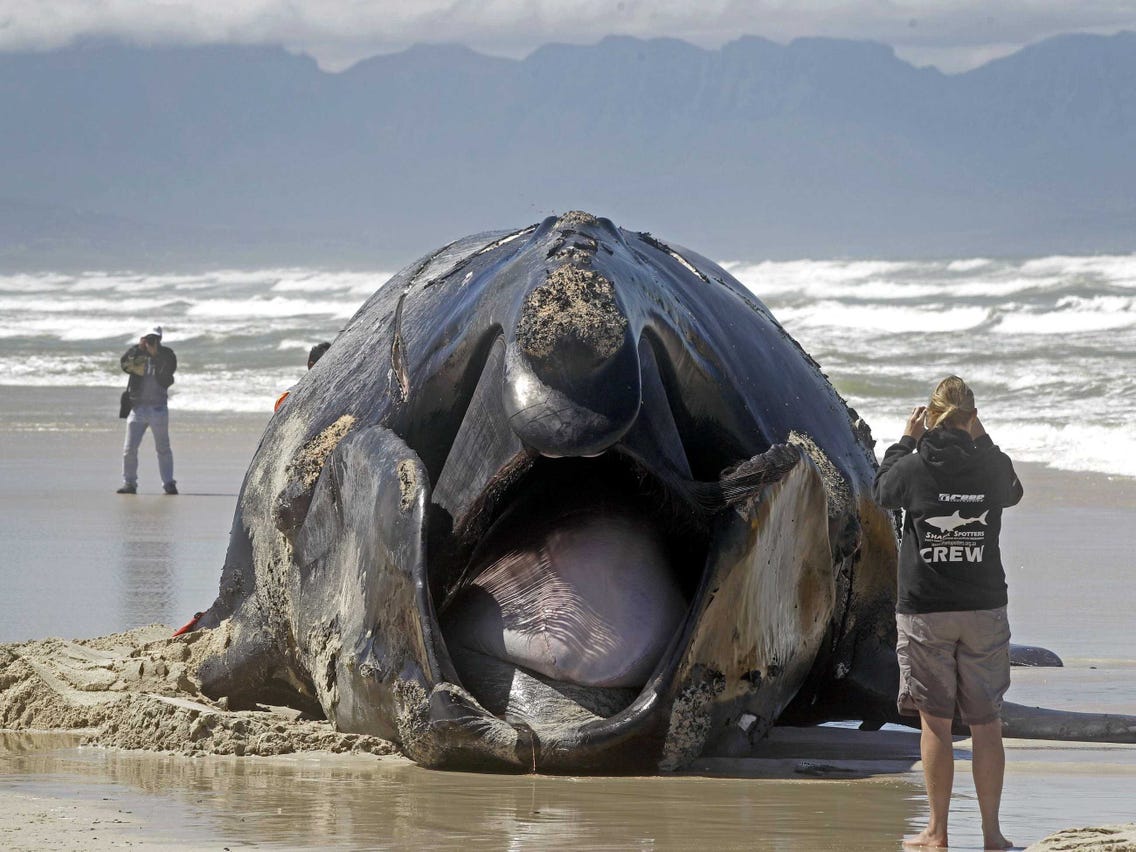
Blue Whale Bitten In Half 2021 How did the whale land on the beach

Blue Whale Bitten in Half 2021 What's the Real Story » NetworkUstad
ncG1vNJzZmiikZq9b7%2FFqGlnnJmctrWty6ianpmeqL2ir8SsZZynnWTEqa3LnmSboaSpsq95yKdkoZmcm3qprdaaoKJmmKm6rQ%3D%3D